
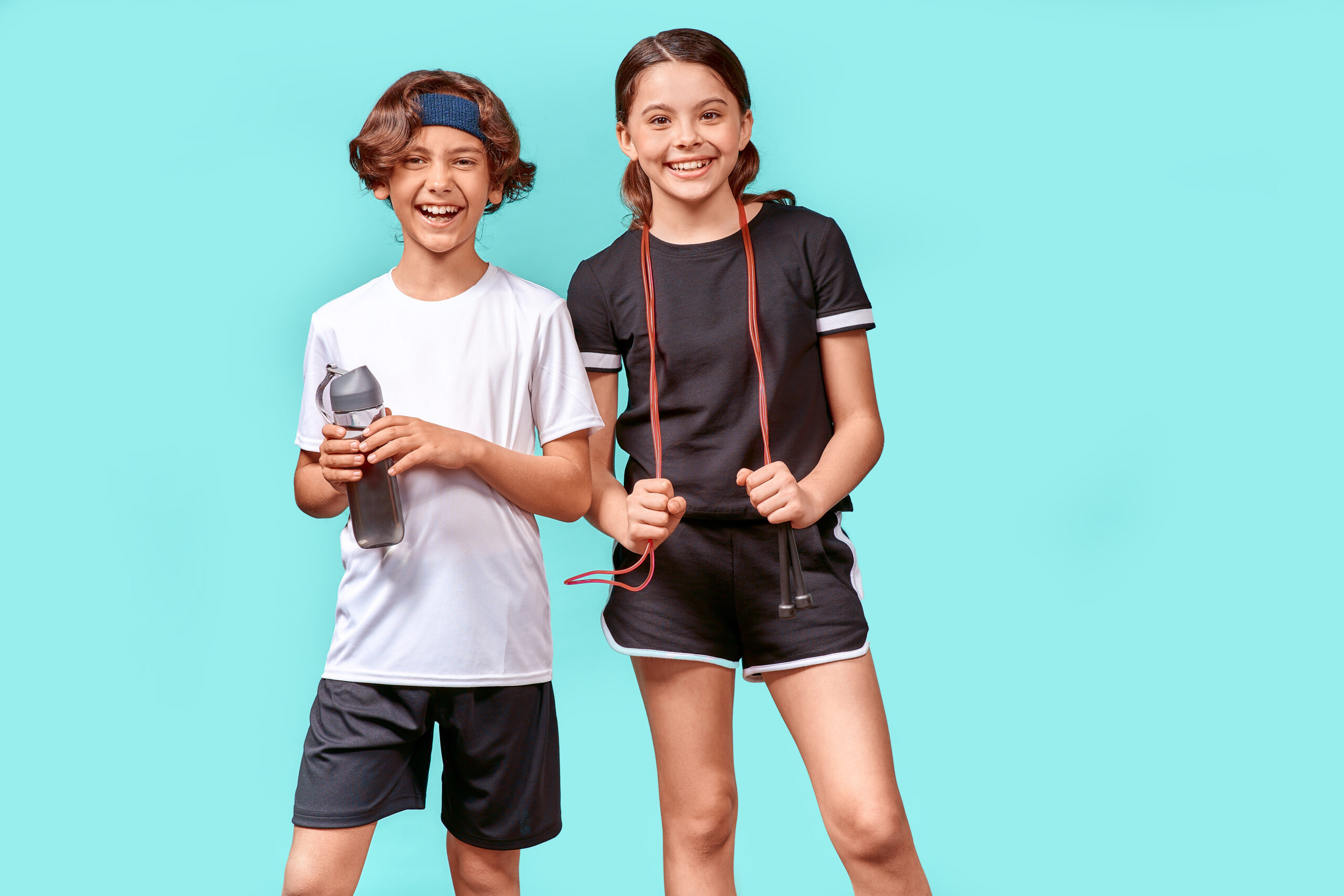
Whether you’re into football, swimming, dance or gym workouts, what you eat around exercise can have a big impact on your energy, strength and recovery. But with so much confusing advice online from influencers to fitness apps, it’s easy to feel unsure about what’s really needed.
This guide breaks it down clearly: what to eat, when to eat it and how to fuel your body in a way that supports both your performance and your overall health.
Why Food Matters When You’re Active
When you exercise, your body needs:
- Energy to perform well
- Nutrients to build and repair muscle
- Fluids to stay hydrated
- Recovery fuel to prevent fatigue and injury
Without the right fuel, it’s harder to focus, you’ll tire more easily and you might not see the progress you’re working hard for. Eating well doesn’t mean avoiding your favourite foods — it just means giving your body what it needs to thrive.
What to Eat Before Exercise
Think of your pre-workout meal or snack as your fuel tank — you’re topping it up so your body has energy to move.
When to eat:
- A proper meal: 2–3 hours before
- A light snack: 30–60 minutes before
Good options include:
- Porridge with banana and nut butter
- Wholemeal toast with peanut butter
- Greek yoghurt with fruit and oats
- A smoothie with plant-based milk, berries and oats
- A banana and a small handful of nuts
- Rice cakes with hummus or mashed avocado
Hydration tip: Drink water before you start, especially if you’re training in the morning or haven’t had much to eat.
What to Eat After Exercise
After training, your body needs to refuel, rehydrate, and rebuild. This helps muscles recover, keeps energy levels stable and supports your next workout.
When to eat:
- Ideally within 1 hour after finishing exercise
- If that’s not possible, have a light snack (like fruit and yoghurt) and eat a full meal within 2 hours
Good recovery meals or snacks:
- Chicken or tofu wrap with salad and hummus
- Omelette with vegetables and wholegrain toast
- Tuna and sweet potato with steamed veg
- Wholegrain pasta with pesto, chicken and cherry tomatoes
- Smoothie with protein (plant-based milk, yoghurt, nut butter, or protein powder if needed)
Don’t forget to drink water afterwards too – hydration is key for recovery.
Do You Need Protein Shakes?
The short answer? Not always.
If you’re eating balanced meals with enough food overall, your body is likely getting what it needs. But if you’re training hard or struggle to eat enough during the day, a protein shake or smoothie can be helpful – just make sure it’s safe and age-appropriate.
Look for:
- Clean, simple ingredients
- No added caffeine or fat burners
- Brands suitable for teens if under 18
Always check with a trusted adult or nutrition professional before starting supplements.
A Word on Balance
Being active is amazing for your body and your mind. But what you eat matters just as much as how you train. If you’re skipping meals, eating too little or cutting out food groups, you may not see the benefits of your hard work – and could even risk injury or burnout.
Food is fuel. It helps you train, grow, think, and feel your best. And it’s completely possible to support fitness goals while keeping a relaxed, healthy relationship with eating.